AUTOMOTIVE
SOLUTIONS FOR
NEXT GEN MOBILITY


APPROVED SOURCE FOR GLOBAL AUTOMOTIVE PLAYERS

FEW FEATURED POLYMERS
Advanced polymer compounds engineered
to power the next generation of automotive innovation.



Lightweighting Solutions
.

Paintable PP Compounds
.

POLYMER SOLUTIONS FOR
EVOLVING AUTOMOTIVE INDUSTRY
Engineered for performance, efficiency, and the future of mobility.
The automotive industry is undergoing one of its most significant transformations, driven by the rise of electric mobility alongside increasing demands for lightweighting, sustainability, premium aesthetics, and enhanced performance. Our solutions help customers address all these critical challenges.
Our Expertise
Vehicle Lightweighting
Paint Elimination
High Torque Applications
Nano Materials
UL Certified Products
Premium Surface Aesthetics
Reduced VOC Emissions
Improved Recyclability
Improved Dimensional Stability
Flame Retardancy Compliance
Sustainable Materials
Low Carbon Foot Print
ALTERNATE POLYMERS
Today's Alternative
Tomorrows Standards
To Replace ABS | PC | PA-6 | LFTPP
ABS - Exterior parts/aesthetic parts
PC - Lighting parts
PA-6 - Under the hood parts
LFTPP - Commercial vehicle seats
TECHNICAL PARAMETERS & CHARACTERISTICS

Lightweighting

Cost Effective

High Mechanical Strength

Thermal Stability

Dimensional Integrity

Superior Aesthetics
ADVANCED SUSTAINABLE POLYMERS
Bridging the gap between Green and High performance
Technical Parameters & Characteristics
Consistency - Rigorous compounding processes ensure batch-to-batch consistency in Melt Flow Index (MFI) and impact strength.
Emission Control - Optimized devolatilization during extrusion to ensure ultra-low VOC, FOG, and odor values according to VDA 270 / VDA 278 standards.
Reinforcement - Capability to incorporate reinforcing fillers and additives to maintain structural integrity.
FEW FEATURED AUTOMOTIVE POLYMERS
Advanced polymer compounds engineered to power the next generation of automotive innovation.
- Paint Elimination Solutions - Matt Finish
- Paint Elimination Solutions - High Gloss Finish
- Lightweighting Solutions
- Paintable PP Compounds
- High Performance Engineering Plastics
- Flame Retardant (FR) Compounds
- Self-Lubricating Compounds
- Conductive Compounds
- Thermoplastic Elastomers (TPE / TPV)
Paint Elimination Solutions
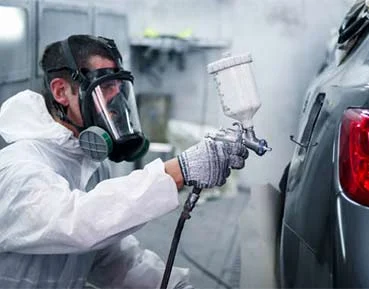
We engineer high-aesthetic, molded-in-color (MIC) compounds designed to completely replace secondary painting processes. These solutions utilize advanced UV-stabilized, scratch-resistant engineered matrices that mimic premium matt finish straight from the tool, eliminating VOC-heavy paint lines and reducing overall component cost.

Technical Parameters & Characteristics
-
Surface Aesthetics: Class-A surface finish with high distinctness of image (DOI) and minimal weld line visibility.
-
Durability: Exceptional scratch resistance (measured via Crockmeter/Erichsen scratching) and long-term UV weathering resistance (Delta E < 1.5 after accelerated Xenon arc exposure).
-
Processing: Optimized melt flow dynamics to prevent silver streaks, jetting, or flow marks in large-part, high-visibility injection molding.

Key Automotive Applications
-
Exterior: Radiator grilles, pillar garnishes (B/C pillars), side mirror housings, rear spoilers, and registration plate trim.
-
Interior: Dashboard center bezels, air vent louvers, and door trim inserts.
Paint Elimination Solutions - High Gloss Finish
Our high gloss compounds deliver deep mirror-like surface finishes directly from the mold. These advanced formulations provide premium appearance, superior color depth, and long-lasting surface quality without secondary painting or polishing.
Technical Parameters & Characteristics
- Gloss Level: Specular gloss values greater than 90 GU measured at 60°.
- Scratch & Chemical Resistance: Resistant to automatic car washes, environmental contaminants, and cleaning chemicals.
- Thermal Resistance: Excellent dimensional stability under prolonged sunlight and elevated temperatures.
Key Automotive Applications
- Exterior Aesthetics: Front grille louvers, license plate surrounds, roof rack trims, and door sash moldings.
- Interior Premium Trim: Center console panels, display bezels, and steering wheel accent rings.
Lightweighting Solutions
Sudarsshan Pollyblends engineers specialized automotive-grade polyolefin compounds, nanocomposites, and functional masterbatches designed to replace heavier engineering thermoplastics (like Polyamide 6 / PA66) and structural alloys in vehicle assemblies. By combining short and long glass fiber reinforcements, high-aspect-ratio sub-micron minerals (nano-talc, nano-calcite, organoclays), and targeted functionalized coupling agents into high-flow polyolefin bases, these compounds enable OEM tier-1 moulders to down-gauge component wall thickness while meeting strict automotive crash, thermal, and noise, vibration, and harshness (NVH) requirements. From under-the-hood engine cooling modules to interior trims and battery enclosure structures, our automotive lightweighting solutions reduce curb weight, extend electric vehicle (EV) driving range, and lower tailpipe carbon emissions.
Technical Parameters & Characteristics
-
Low Specific Gravity Base Matrix: Formulated on polypropylene bases with low densities that inherently reduce component mass compared to engineering resins like PA6, ABS, or traditional structural alloys.
-
Sub-Micron Interfacial Reinforcement: Integrates surface-treated nano-talc and nano-calcite particles that fill micro-voids between glass fibers, increasing flexural modulus without adding dead weight or surface roughness.
-
High Melt Flow Index (MFI) Rheology: Formulated with high melt flow capabilities to allow complete mold filling of large-surface automotive parts at reduced injection pressures and thinner wall sections.
-
Covalent Interfacial Coupling: Engineered with specialized functionalized coupling agents to establish strong interfacial chemical bonding between the polyolefin matrix, sub-micron fillers, and glass fibers, maximizing stress transfer under dynamic loads.
-
Controlled Melt Shrinkage & Warpage Balance: Uses hyper-nucleation and tailored elastomeric modifiers to match the tool shrinkage rates of legacy engineering materials, enabling direct substitution into existing injection tooling.

Features
-
Direct Engineering Plastic Replacement: Replaces die-cast aluminum, zinc, and glass-reinforced PA6/PA66 in structural under-hood components to achieve direct weight reduction.
-
Sub-Micron Surface Polish & Paintability: Nano-scale mineral dispersion eliminates surface micro-porosity, producing smooth, high-gloss molded surfaces that accept direct paint adhesion without chemical primers.
-
Sub-Zero Impact Retention: Toughened with specialized polyolefin elastomeric modifiers (like POE and OBC) to maintain ductile energy absorption during cold-weather crash impact tests.
-
Chemical Blowing Agent (CBA) Compatibility: Optimized for structural microcellular foaming processes, allowing interior cores of thick-section automotive parts to foam while keeping rigid outer skins.
-
Low VOC & Low Odor Formulations: Specially scrubbed polyolefin base resins that pass automotive interior air quality standards for volatile organic compounds (VOC) and fogging tests.

Key Benefits
-
Direct Vehicle Mass Reduction: Shaves weight off structural vehicle modules, contributing to total vehicle curb mass reduction for improved fuel economy or extended EV battery range.
-
Faster Injection Molding Cycle Times: Thinner wall geometries combined with hyper-nucleated crystallization shorten cooling times in large automotive molds, increasing hourly production rates.
-
Uncompromised Structural & Thermal Integrity: Retains high flexural modulus, tensile strength, and heat deflection temperature (HDT) under continuous under-hood operating conditions.
-
Lower Tooling Wear & Maintenance: Nano-scale mineral particles lack coarse abrasive edges, extending the service life of injection screws, barrels, and expensive automotive molds.
-
Enhanced Automotive ESG & Recyclability: Mono-material polyolefin compounding supports end-of-life vehicle (ELV) recycling initiatives and reduces lifecycle carbon footprint.
Key Automotive Applications
-
Under-the-Hood Cooling & Engine Modules: Radiator shrouds, cooling fan blades, air intake manifolds, air filter housings, and washer fluid reservoirs replacing glass-filled PA6 or structural brackets.
-
Exterior & Structural Assemblies: Bumper fascias, front-end modules, door carriers, wheel arch liners, fender liners, and underbody aerodynamic shields.
-
Interior Trim & Instrument Panel Systems: Dashboard carriers, center console frames, door trim panels, pillar covers, and glovebox structures requiring low density and high scratch resistance.
-
EV Battery & NVH Components: Battery tray covers, cell holding frames, acoustic insulation backing plates, and sound-absorbing engine/motor covers.
-
HVAC & Air Distribution Units: Air conditioner housing units, ducting networks, and blower fans requiring dimensional stability across extreme cabin temperature swings.
Paintable PP Compounds
Sudarsshan’s Paintable PP Compound Series is a high-performance polypropylene solution engineered as a cost-effective alternative to ABS for automotive painted exterior components. Designed for compatibility with existing ABS tooling, it offers ABS-like shrinkage if required, excellent paint adhesion and balanced mechanical properties, enabling lightweighting, reduced tooling investment and improved manufacturing efficiency.
Technical Parameters & Characteristics
-
Controlled Shrinkage: Nominal linear mold shrinkage of approximately 0.5–0.7%, designed to match standard ABS tooling requirements.
-
Enhanced Paintability: Improved surface energy for excellent paint adhesion, with Class 0/5B-equivalent cross-hatch adhesion performance.
-
Balanced Mechanical Properties: Flexural stiffness and impact resistance engineered to deliver performance comparable to standard ABS grades.
-
Temperature Performance: Maintains structural integrity across a broad temperature range, including sub-zero conditions.
-
Lightweight Material: Lower specific gravity than ABS, supporting component weight reduction.
-
Process & Cost Efficiency: Enables potential ABS-to-PP conversion using existing molds, reducing tooling costs, paint-line defects and overall manufacturing expenses.
Key Automotive Applications
-
Painted exterior trim and body panels
-
Rear spoilers and aerodynamic components
-
Exterior mirror housings
-
Front grilles and grille surrounds
-
Decorative and functional exterior mouldings
-
Other injection-moulded automotive components requiring painted surfaces
-
Other injection-moulded automotive components requiring painted surfaces
High Performance Engineering Plastics
At Sudarsshan Pollyblends, our High Performance Engineering Plastics portfolio encompasses tailored Polypropylene (PP) compounds, Polyamides (PA6 / PA66), Polybutylene Terephthalate (PBT), Polyethylene Terephthalate (PET), Polycarbonate (PC), PC/ABS blends, Polyoxymethylene (POM / Acetal), Acrylonitrile Styrene Acrylate (ASA), Styrene Acrylonitrile (SAN), and Polymethyl Methacrylate (PMMA), among other specialty polymers. Engineered with glass fiber reinforcements, mineral filler systems, elastomeric TPO impact modifiers, and halogen-free flame retardants, these materials serve as lightweight, high-strength structural and functional replacements across demanding automotive applications.
Technical Parameters & Characteristics
-
High Structural Rigidity: Superior tensile strength and flexural modulus tailored to handle structural loads and withstand severe mechanical fatigue.
-
Thermal & Environmental Endurance: Elevated Heat Deflection Temperature (HDT) under continuous load, retaining strength and dimensional integrity in high-heat environments.
-
Low-Temperature Impact Toughness: Advanced elastomeric toughening prevents brittle failure and maintains notched impact strength in extreme sub-zero conditions.
-
Dimensional Precision & Tribological Performance: Low mold shrinkage, low friction/wear characteristics for moving mechanical parts, and controlled warpage for intricate molding.
-
Weathering & Optical Clarity: Outstanding UV stability and weatherability for exterior components, paired with optical-grade clarity and high surface energy options for direct painting or backlighting without primers.
Features
-
Direct Engineering Plastic Replacement: Replaces die-cast aluminum, zinc, and glass-reinforced PA6/PA66 in structural under-hood components to achieve direct weight reduction.
-
Sub-Micron Surface Polish & Paintability: Nano-scale mineral dispersion eliminates surface micro-porosity, producing smooth, high-gloss molded surfaces that accept direct paint adhesion without chemical primers.
-
Sub-Zero Impact Retention: Toughened with specialized polyolefin elastomeric modifiers (like POE and OBC) to maintain ductile energy absorption during cold-weather crash impact tests.
-
Chemical Blowing Agent (CBA) Compatibility: Optimized for structural microcellular foaming processes, allowing interior cores of thick-section automotive parts to foam while keeping rigid outer skins.
-
Low VOC & Low Odor Formulations: Specially scrubbed polyolefin base resins that pass automotive interior air quality standards for volatile organic compounds (VOC) and fogging tests.
Key Benefits
-
Direct Vehicle Mass Reduction: Shaves weight off structural vehicle modules, contributing to total vehicle curb mass reduction for improved fuel economy or extended EV battery range.
-
Faster Injection Molding Cycle Times: Thinner wall geometries combined with hyper-nucleated crystallization shorten cooling times in large automotive molds, increasing hourly production rates.
-
Uncompromised Structural & Thermal Integrity: Retains high flexural modulus, tensile strength, and heat deflection temperature (HDT) under continuous under-hood operating conditions.
-
Lower Tooling Wear & Maintenance: Nano-scale mineral particles lack coarse abrasive edges, extending the service life of injection screws, barrels, and expensive automotive molds.
-
Enhanced Automotive ESG & Recyclability: Mono-material polyolefin compounding supports end-of-life vehicle (ELV) recycling initiatives and reduces lifecycle carbon footprint.
Key Automotive Applications
-
Under-the-Hood & Thermal Management: Radiator shrouds, engine covers, timing belt covers, air intake components, and structural battery housings.
- Exterior & Structural Trim: Bumper fascia TPOs, cowl top grilles, unpainted exterior mirror housings, radiator grilles, and pillar trim panels.
- Lighting & Optical Systems: Headlamp lenses, light guide rails, rear combination lamp housings, and interior ambient light diffusers.
- Interior, NVH & Mechanical Components: Instrument panel structural frames, door handles, HVAC gears, wiper mechanisms, air conditioning fan blades, and acoustic sound absorber pads.
-
Underbody & Fluid Handling: Carbon canisters, brake fluid reservoir brackets, underbody shield guards, and fuel system fittings.
Flame Retardant (FR) Compounds
We provide high-performance, halogen-free flame retardant (HFFR/LSZH) and engineered brominated-FR composites tailored for both internal combustion engine (ICE) electronics and electric vehicle (EV) battery architectures. These compounds prioritize low toxicity, low smoke density, and structural integrity under severe thermal stress.
Technical Parameters & Characteristics
-
Flame Rating: Compliant with UL 94 V-0 down to 0.8 mm thickness and FMVSS 302 for automotive interior cabin safety.
-
Electrical Safety: High Comparative Tracking Index (CTI ≥ 600 V) to prevent electrical arcing and tracking in high-voltage EV components.
-
Mechanical Integrity: Short glass fiber-reinforced formulations that retain high tensile strength and elevated Heat Deflection Temperature (HDT) under continuous load.
Key Automotive Applications
-
EV Specific: Battery module housings, cell spacers, high-voltage busbar insulations, charging gun connectors, and BMS (Battery Management System) enclosures.
-
Under-the-Hood: Fuse boxes, wire harnesses, and electrical relays.
Self-Lubricating Compounds
We offer tribologically optimized formulations designed to minimize friction, eliminate stick-slip behavior, and drastically reduce wear rates in moving assemblies. By compounding high-wear matrices with internal lubricants, we eliminate the need for external grease or oil lubrication over the vehicle's lifespan.
Technical Parameters & Characteristics
- Tribological Performance: Reduced Coefficient of Friction (COF) and high PV (Pressure-Velocity) limits under continuous mechanical load.
- Acoustics: Elimination of interior squeak and rattle (S&R) sounds to meet OEM cabin comfort standards.
- Wear Resistance: Low specific wear rates against metallic and plastic counter-surfaces, preventing premature component failure.
Key Automotive Applications
- Moving Mechanism Components: Window regulator gears, seat adjustment mechanisms, sunroof sliders, gear shifter linkages, and steering column bushings.
- Exterior: Fuel filler flap hinges and door lock actuators.
Conductive Compounds (ESD & EMI Shielding)
We formulate conductive engineering compounds using carbon black, carbon nanotubes (CNTs), and advanced nanomaterials to provide Electrostatic Discharge (ESD) protection and Electromagnetic Interference (EMI) shielding for modern automotive electronics and communication systems.
Technical Parameters & Characteristics
- Electrical Conductivity: Surface resistivity from 10⁶–10⁹ Ω/sq (ESD) to 10¹–10⁴ Ω/sq (conductive).
- EMI Shielding: 30 dB to more than 60 dB attenuation across automotive communication frequencies.
- Processing: Excellent melt flow while maintaining mechanical properties for thin-wall injection molding.
Key Automotive Applications
- ADAS & Sensors: Radar/LiDAR housings, camera brackets, and ECU enclosures.
- Fuel Systems: ESD-safe fuel filler necks, fuel caps, and fuel pump modules.
Thermoplastic Elastomers (TPE / TPV)
We supply advanced Thermoplastic Elastomers (TPE) and Thermoplastic Vulcanizates (TPV) that combine the processing advantages of thermoplastics with the flexibility, sealing performance, and durability of conventional rubber for demanding automotive applications.
Technical Parameters & Characteristics
- Flexibility Range: Wide range of customizable hardness grades for different applications.
- Environmental Sealing: Low compression set with outstanding ozone, UV, and weather resistance.
- Adhesion Profiles: Excellent bonding performance for multi-shot (2K) overmolding onto engineering plastics.
Key Automotive Applications
- Sealing & Weatherstripping: Window channels, cowl seals, door seals, and engine bay weather strips.
- Interior Ergonomics: Soft-touch steering wheel grips, gear knobs, HVAC dials, cup holder liners, and anti-slip mats.
- Under-the-Hood Protective: Rack and pinion boots, CV joints, and flexible air duct bellows.